Structure of the Zamfara State High Court
- Judicial Leadership:
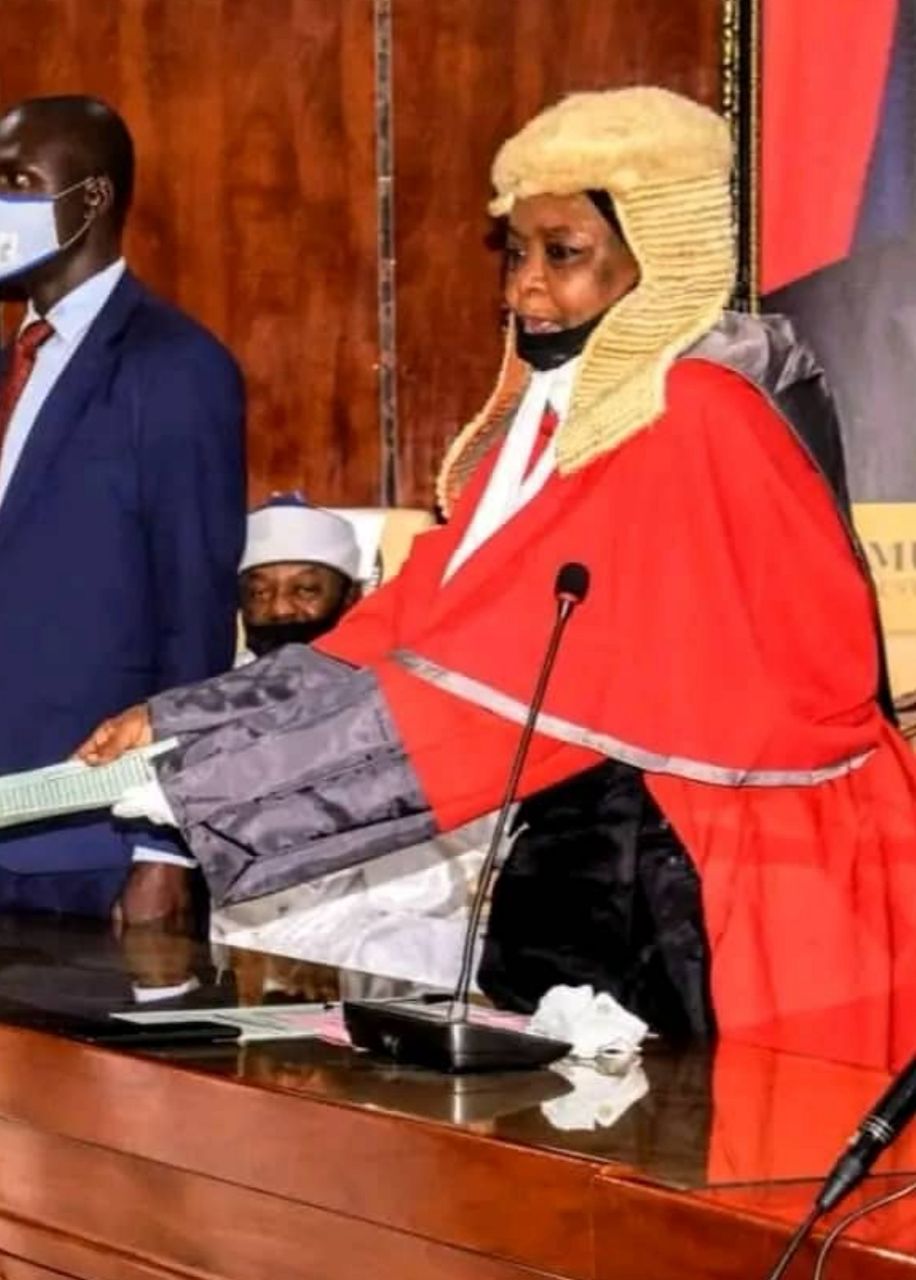
– The High Court is headed by the Chief Judge, who is appointed by the Governor of Zamfara State, based on the recommendation of the National Judicial Council.
– The Chief Judge oversees the administration of the court and ensures the efficient dispensation of justice.
- Judges:
– The High Court comprises several judges, each assigned to different divisions and cases. These judges are responsible for hearing and determining cases brought before the court.
- Court Divisions:
– The High Court may have various divisions, including civil, criminal, family, and administrative divisions, allowing for specialised handling of different types of cases.
Key Functions of the Zamfara State High Court
- Adjudication of Cases:
– The High Court hears and determines civil and criminal cases, ensuring that justice is served in accordance with the law.
– It has the authority to review decisions made by lower courts and tribunals.
- Interpretation of Laws:
– The court interprets state and federal laws, providing clarity on legal provisions and their applications.
– It plays a vital role in shaping legal precedents that guide future cases.
- Protection of Fundamental Rights:
– The High Court safeguards the fundamental rights of citizens, addressing issues related to human rights violations and ensuring compliance with constitutional provisions.
- Judicial Review:
– The court has the power to review administrative actions and decisions made by government bodies, ensuring they conform to the law and do not infringe on individual rights.
- Issuance of Orders and Injunctions:
– The High Court can issue various legal orders, including injunctions, restraining orders, and writs, to enforce the law and protect the rights of individuals.
- Mediation and Settlement:
– The court may encourage mediation and settlement between parties to resolve disputes amicably, reducing the burden on the judicial system
Significance of the Zamfara State High Court
– Upholding the Rule of Law: The High Court plays a critical role in maintaining the rule of law and ensuring that justice is accessible to all citizens, regardless of their status.
– Promoting Justice and Fairness: By adjudicating disputes fairly and impartially, the court fosters public confidence in the legal system.
– Legal Precedent: The decisions made by the High Court serve as legal precedents, influencing the interpretation and application of laws in future cases.
– Community Engagement: The court may engage with the community through legal awareness programs, educating citizens about their rights and the legal process.
Current Initiatives
The Zamfara State High Court may be involved in various initiatives aimed at improving the judicial process, such as:
– Court Automation: Implementing technology to streamline court processes, enhance case management, and improve access to justice.
– Legal Aid Services: Providing support to indigent citizens who cannot afford legal representation, ensuring that everyone has access to justice.
– Public Outreach: Organising workshops and seminars to educate the public about their rights and the workings of the judicial system.
The Zamfara State High Court is responsible for:
- Dispensing Justice:
The court hears and adjudicates various legal cases within the state.
- Ensuring Speedy Trials:
Efforts are underway to streamline processes and utilise technology to expedite the judicial process.
- Upholding the Rule of Law:
The court is committed to maintaining the integrity and impartiality of the judicial system.
- Promoting Judicial Independence:
The state government is working to ensure that the judiciary operates without external interference.
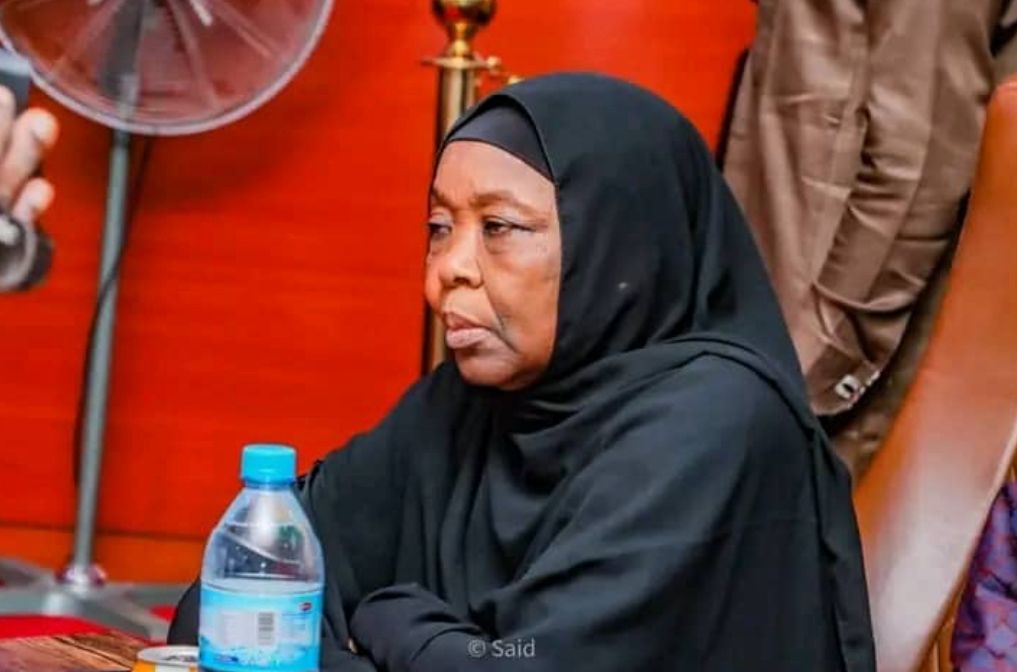
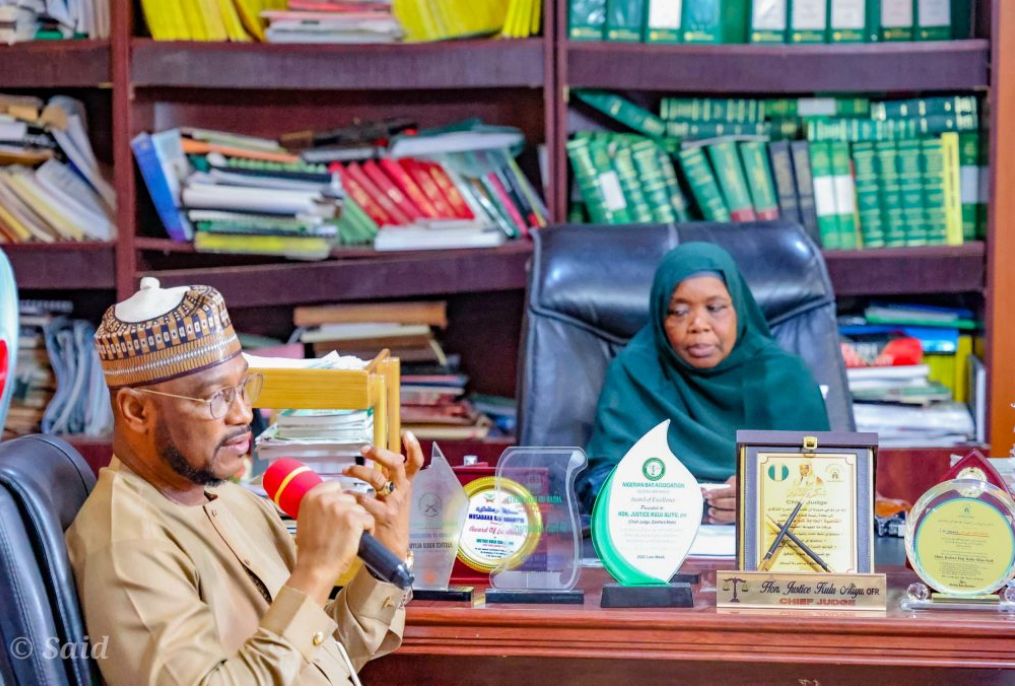
The Chief Judge of Zamfara State, currently Justice Kulu Aliyu, leads the High Court and works with other judges to administer justice. The state government is actively providing support to the judiciary, including infrastructure improvements and addressing welfare issues for judicial staff.